Agent Strategy · Buy Now, Sell Later
Buy Now, Sell Later Goes Mainstream: The 2026 Lender Products
Buy now, sell later is no longer a niche product with a handful of providers. In 2026, mortgage lenders started shipping their own versions: Planet Home Lending’s Purchase EDGE will buy your current home up to seven days before your new closing, and Oak Leaf Community Mortgage now offers a Buy Now, Sell Later loan against current-home equity. For agents, every move-up seller is now a conversation about how their next home gets funded, not a wait for timing they cannot control.
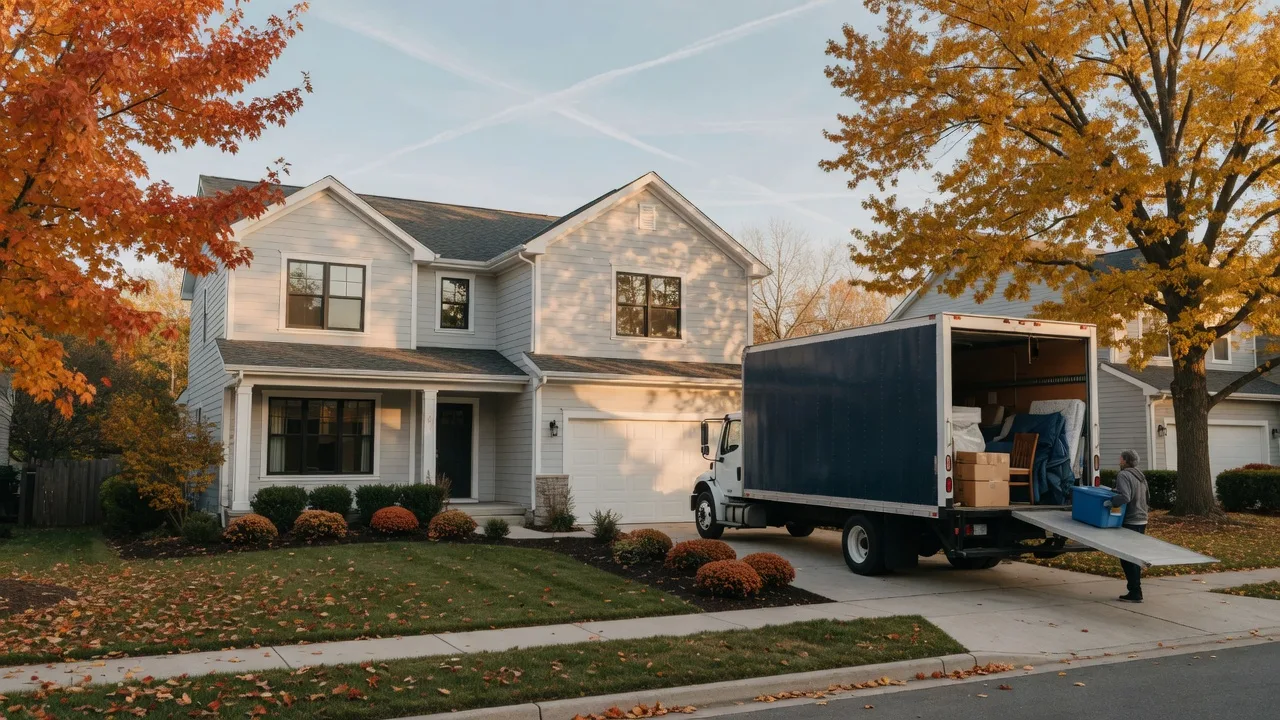
The sell-first roadblock is dissolving
The single biggest reason a move-up seller keeps their home off the market is sequencing: they cannot make an offer on their next home until the current one sells, and a contingent offer in a competitive market loses every time. Their equity is locked in the house they are sitting in. Buy now, sell later products exist to unlock that equity early, letting the seller close on the new home first, then sell the current one at their pace instead of the market’s. The idea has been around for years, what changed in 2026 is who offers it: not just a few trade-in companies, now mortgage lenders themselves.
Lenders are shipping their own versions
Planet Home Lending’s Purchase EDGE buys the buyer’s current home up to seven days before the new closing, then keeps selling that home through a guaranteed-buyer program for up to 180 days, so the buyer is never homeless and never contingent. Oak Leaf Community Mortgage’s Buy Now, Sell Later loan (available in Illinois and Wisconsin) uses equity in the current primary residence to qualify the buyer for the next home without a sale. Traditional bridge loans, usually 1% to 3% origination plus a rate premium, fill the same slot for buyers who can carry two mortgages briefly. The common thread: 2026 homeowners no longer need to sell first, they need an agent who knows the options exist and can put them in the right conversation.
The trade-in programs already in the market
The specialist providers are deeper now than ever. HomeLight’s guide to the category walks through the main players and their real costs: Homeward charges roughly 2.4% to buy the next home before you sell (more if it also buys and backs the current home), Knock runs a 2.25% service fee plus around $1,850 in loan costs, and Orchard carries about a 6% fee plus a program fee. Homeward, UpEquity, Flyhomes and QuickBuy all run Buy Before You Sell programs through agents, and each one is a tool the listing agent can pull out of the bag (the full provider rundown here). This is no longer a secret alternative; it is a shelf of products, and the prices are published.
What the new products mean for agents
For the listing agent, the implication is direct: the move-up seller is no longer “waiting until they can sell,” they are waiting for someone to explain how their equity funds the next move. The agent who can lay out the buy-now-sell-later path alongside a cash offer and the open-market strategy (Play 02: Win the Listing) shows up with options the seller has not heard anywhere else, and options are the reason they pick up the phone and the reason they list. Every 7%-rate-too-high objection becomes a conversation about sequencing instead of a hang-up.
Bring the buy-now-sell-later conversation
SellerAssist includes Buy Now Sell Later as a first-class offer type alongside single close and dual close (the full menu), so the same 30-second address run that produces cash offers also produces the buying-path conversation. Run the address, bring the options, and let the seller compare their routes side by side: your brand, your presentation, every door open.
You don’t have to sell first. Here is how your equity funds your next home, here is what a cash buyer would pay for this one, and here is what the open market could do. Pick the path, and I will run it.
Keep learning
Related strategy
Bring one address. Leave with a strategy.
We’ll run a live property on the call: offers, page, followers, the whole thing.